Lab-Grown Diamonds vs Natural Diamonds: What Indian Buyers Should Know

Buying a diamond in India has become less straightforward than it was a decade ago. Natural diamonds still carry the romance of rarity, family heirlooms and traditional bridal buying. Lab-grown diamonds, meanwhile, offer the same sparkle at a far lower price, which makes them hard to ignore.
The right choice depends on what you value most: origin, budget, resale, size, certification or sentiment.
What Is The Actual Difference?
A natural diamond forms deep within the earth over a long geological period. A lab-grown diamond is created in a controlled facility, usually through CVD or HPHT technology. Chemically and optically, both are diamonds. They are made of carbon and can look identical to the naked eye.
The difference lies in origin, supply and market value. Natural diamonds are mined and finite. Lab-grown diamonds can be produced in larger quantities, so prices respond more quickly to production costs and market supply.
Why Lab-Grown Diamonds Are Growing In India
India is no bystander in this shift. Surat has long been a major centre for diamond cutting and polishing, and India is now building strength in lab-grown diamond production too. The Government of India also backed research in this area through a Rs 242 crore grant to IIT Madras for the India Centre for Lab Grown Diamonds.
For shoppers, this means more choice. A lab grown diamond pendant set may offer a larger stone or higher colour and clarity within the same budget as a smaller natural diamond piece.
Price, Value And Resale
Lab-grown diamonds usually cost much less than comparable natural diamonds. That makes them attractive for earrings, rings, bracelets and daily-wear pieces where visual impact matters.
Resale is the tricky part. Natural diamonds have a stronger resale market, though they should not be treated like gold or a fixed investment. Lab-grown diamonds often have weaker resale value because new stones keep entering the market at lower production costs. If resale matters to you, ask the jeweller for a clear buy-back or exchange policy before paying.
Certification And Disclosure Matter
Indian buyers should look closely at disclosure. BIS has introduced IS 19469:2025 for diamond terminology, which supports clearer labelling of natural, laboratory-grown, treated and imitation stones.
A reliable seller should clearly say whether a stone is natural or laboratory-grown. GIA also laser-inscribes laboratory-grown diamonds it assesses, and since October 2025, its colourless lab-grown diamond assessments use broader quality terms such as Premium and Standard rather than the usual natural diamond grading language.
Ask for a certificate, invoice details, metal purity, diamond weight, colour, clarity and return terms. For gold settings, BIS hallmarking still matters.
Which One Looks Better?
A well-cut lab-grown diamond can look just as bright as a natural diamond. Cut quality, polish, symmetry and setting design affect sparkle more than origin. This is why two diamonds with similar carat weight can look very different in person.
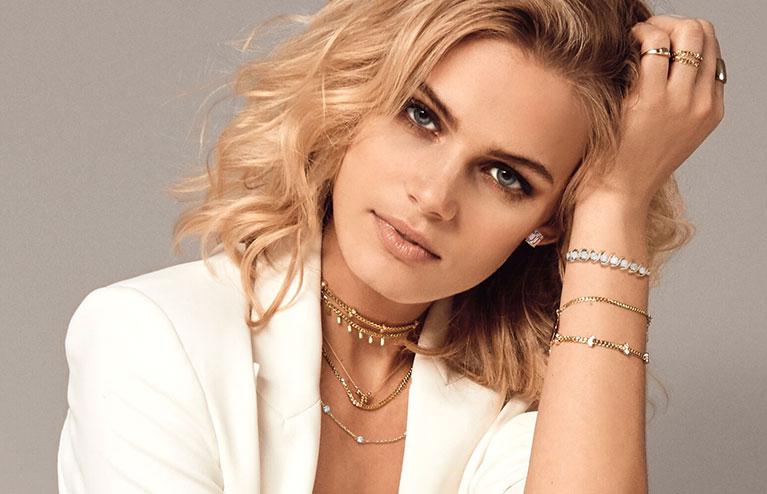
For occasion wear, a diamond pendant set in a refined design may feel timeless. For buyers who want size without stretching the budget, lab grown diamond jewellery can be a sensible choice.
Quick Comparison
| Factor | Natural Diamond | Lab-Grown Diamond |
|---|---|---|
| Origin | Formed in the earth | Created in a lab |
| Appearance | Classic diamond brilliance | Same diamond brilliance |
| Price | Expensive | Comparably lower |
| Resale | Generally stronger | Often limited |
| Certification | GIA, IGI and others | GIA, IGI and others |
| Best for | Heirlooms, resale-minded buyers | Budget, size, modern gifting |
Which Should You Buy?
Choose a natural diamond if rarity, tradition and long-term emotional value matter most to you. It suits engagement rings, heirloom jewellery and buyers who prefer mined stones.
Choose a lab-grown diamond if you want beauty, size and better upfront value. It works well for contemporary jewellery, gifting and regular wear.
There is no single “better” diamond. There is only the diamond that fits your budget, values and purpose. A good jeweller should explain the difference plainly, give proper paperwork and help you buy without pressure.